 TIMBERVIEW CAPITAL
Hedge Fund Investing for Physicians
An educational look at what a hedge fund is, how long/short and volatility strategies work, the questions to ask any fund manager, the risks to weigh, and the fund available to members right now: Vixy Hedge, a strategy built around volatility-related exchange-traded products.
Open Vixy Hedge is available through the Timberview Capital Network.
Vixy Hedge
Alternative investment strategy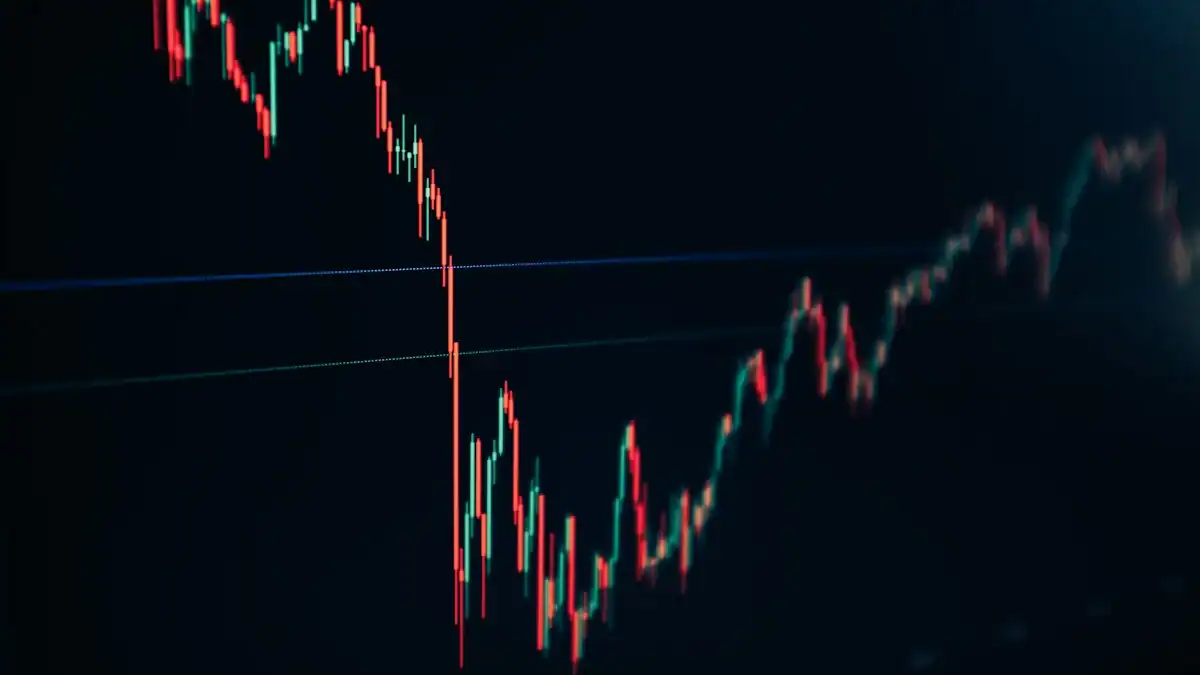
- ETFs + ETNsDiversified portfolio of exchange-traded products
- Long + shortPositions across asset classes
- MonthlyNAV and capital account reports
- 1 yearInitial lock-up period
See the offering documents for full terms.
Cobb Club members receive enhanced return tiers, including a 28% preferred return at a $100,000 investment, 30% at $200,000, and 32% at $500,000. These returns are higher than both the standard Timberview Capital Network terms and the returns available by investing directly with the sponsor.
Vixy Hedge is an alternative investment strategy that seeks long-term capital appreciation through a diversified portfolio of exchange-traded funds (ETFs) and exchange-traded notes (ETNs) across equities, fixed income, commodities and alternative assets.
The strategy uses both long and short positions and seeks to identify and capture recurring pricing gaps in volatility-related exchange-traded products.
Investors receive monthly net asset value (NAV) and capital account reports, along with annual audited financial statements. The fund has a one-year initial lock-up period. Eligible investors may be able to invest through a self-directed IRA or Solo 401(k).
Key Highlights:
- Built for Different Market Conditions: The portfolio can use both long and short positions, allowing the strategy to pursue opportunities during rising, falling, or volatile markets.
- Repeatable Market Opportunity: The strategy looks for recurring pricing gaps within volatility-related exchange-traded products instead of relying only on the direction of the stock market.
- Enhanced Preferred Returns: Investing through Timberview Capital provides higher preferred return tiers than investing directly with the sponsor, with additional benefits available to Cobb Club members.
- Alternative Diversification: The investment provides exposure to a different source of potential returns that may complement traditional investments such as stocks, bonds, and real estate.
- Retirement Account Eligible: The investment may be held through a Self-Directed IRA or Solo 401(k) for potential tax-deferred treatment.
- Ongoing Investor Reporting: Investors receive monthly Net Asset Value (NAV) and capital account reports, along with annual audited financial statements.
What a hedge fund actually is
“Hedge fund” is not a single strategy. It is a legal structure: a private investment fund, usually a limited partnership, that pools money from accredited investors and gives a manager wide latitude to invest it. Unlike most mutual funds, a hedge fund can sell short, use derivatives or leverage, and concentrate on a narrow strategy.
Because the structure is so flexible, two hedge funds can have almost nothing in common. One might buy distressed bonds; another might trade commodities; another might look for pricing gaps between related securities. Understanding the specific strategy matters far more than the label.
Hedge funds are private offerings, so they are generally limited to accredited investors, they disclose less publicly than a mutual fund, and they usually restrict how often you can withdraw. They are also not a substitute for the core of a retirement plan. For most physicians, a fund like this would be a small, considered part of a broader portfolio, discussed with your own advisors.
If you are new to private investments, start with our webinars and the accredited investor basics in the FAQ below.
How long/short and volatility strategies work
Long and short. Going long means buying something you think will rise in value. Going short means borrowing and selling something you think will fall, then buying it back later. A fund that does both is trying to benefit from the difference between positions, not just from the market going up. Short positions can lose more than the amount invested, so risk controls matter.
Volatility. Volatility measures how much and how quickly prices move. The best-known gauge is the Cboe Volatility Index (VIX), sometimes called the market’s “fear gauge.” You cannot buy the index directly, but there are exchange-traded products built to track volatility futures.
ETFs and ETNs. An exchange-traded fund (ETF) holds a basket of assets. An exchange-traded note (ETN) is a debt instrument issued by a bank that promises to pay based on an index, which adds the issuer’s credit risk. Volatility-linked ETFs and ETNs are complex products. Because of how futures roll over time, they can behave very differently from the index they reference, especially over longer periods.
Some managers look for recurring patterns in how these products are priced relative to each other and to the underlying futures, and build long and short positions around them. Those patterns can change or disappear, and volatility products can move sharply in a single day.
What we look at before a fund reaches the network
Every offering we bring to members is vetted on the team, the strategy, the operations, and the terms. For a hedge fund, here is what that means.
The team
Who manages the money, how long they have run this specific strategy, and what happened during periods of market stress. We want to understand their background, their decision process, and who checks their work.
The strategy
What the fund actually holds, why the manager believes the opportunity exists, how much leverage and shorting are used, and what conditions would hurt the strategy most.
The operations
Who the fund administrator, auditor and custodian or prime broker are, how positions are valued, and how often investors receive reports. Independent service providers are a basic safeguard.
The terms
The minimum, the lock-up, how and how often you can redeem, the fees the manager charges, and the fund’s governing documents. We read these carefully before anything reaches members.
Questions a physician investor should ask any hedge fund manager:
- In plain language, what does the fund buy and sell, and why?
- What would cause this strategy to lose money, and how is that risk limited?
- How much leverage and shorting does the fund use?
- Who are the administrator, auditor and custodian?
- How are positions valued, and how often will I receive statements?
- What is the lock-up, and how do redemptions work after it ends?
- What fees does the manager charge?
- How much of the manager’s own money is in the fund?
The risks of hedge fund investing
All investments involve risk, including loss of principal. Hedge funds, and volatility strategies in particular, carry risks that deserve a careful read of the offering documents:
- Market and volatility risk. Volatility products can move sharply and suddenly, and losses can happen quickly.
- Short selling and leverage. Short positions can lose more than the amount invested, and leverage can magnify losses.
- Strategy risk. Pricing patterns a manager relies on can weaken, change or disappear.
- Product risk. ETNs carry the credit risk of the issuing bank, and some volatility products can be closed or restructured by their sponsors.
- Manager risk. Results depend heavily on the manager’s judgment and controls.
- Liquidity. The fund has a one-year lock-up, and redemptions after that follow the fund’s terms. You may not be able to access your money when you want it.
- Past results do not predict future results. No strategy works in every market.
 ▶
 ▶
 ▶
 ▶
Hedge fund investing: common questions
What is a hedge fund?
A private investment fund, usually limited to accredited investors, that gives a manager flexibility to buy, sell short, and use other techniques that most mutual funds cannot. The specific strategy varies widely from fund to fund.
What is the difference between an ETF and an ETN?
An ETF holds a basket of assets. An ETN is a debt note issued by a bank that tracks an index, so it also carries the bank’s credit risk. Both trade on exchanges like stocks.
What is the VIX?
The Cboe Volatility Index estimates expected stock market volatility over the next 30 days based on S&P 500 options. It cannot be bought directly, but some exchange-traded products track futures on it.
Who can invest?
Offers are made only to verified accredited investors pursuant to Rule 506(c) of Regulation D, through a private placement memorandum and related offering documents. An individual can generally qualify as an accredited investor with income exceeding $200,000 (or joint income with a spouse of more than $300,000) in each of the last two years with the expectation of the same this year, or a net worth exceeding $1 million excluding the primary residence, or by holding in good standing a Series 7, 65 or 82 license. For more information, see this bulletin from the SEC.
What is a lock-up period?
A set time after you invest during which you cannot withdraw. Vixy Hedge has a one-year initial lock-up. After that, redemptions follow the terms in the fund documents.
What reporting will I receive?
Vixy Hedge provides monthly net asset value (NAV) and capital account reports, plus annual audited financial statements.
Can I invest through a retirement account?
Vixy Hedge may be held through a self-directed IRA or Solo 401(k) for eligible investors. Talk with your custodian and your own tax and financial advisors first.
How does Timberview choose hedge fund managers?
We vet every offering on the team, the strategy, the operations, and the terms, with close attention to risk controls and independent service providers. We also encourage every member to do their own due diligence.
Learn Alongside Other Physicians
Members of the Timberview Capital Network get access to vetted alternative offerings like Vixy Hedge, along with webinars and education from physicians who have been doing this for years.
Apply to Join the Network Already a member? Review Vixy Hedge. Membership is by application.