 TIMBERVIEW CAPITAL
Healthcare Real Estate Investment: Cornerstone Behavioral Health
A behavioral health real estate offering that turns empty buildings, like old hospitals and schools, into licensed treatment centers for children, and leases them long term to licensed care operators. Initial facilities have been identified in Fulton, MO and Vancouver, WA.
Open Available through the Timberview Capital Network.
Cornerstone Behavioral Health

Illustrative rendering.
- Behavioral healthHealthcare real estate: licensed treatment centers for children
- MO & WAInitial facilities identified in Fulton, MO and Vancouver, WA
- 25-yearTriple net leases to licensed care operators
- NNNThe operator pays the property costs
- YearlyPlanned rent increases built into the leases
- $150KMinimum through Timberview ($250K going direct with the sponsor)
- 6 monthsMinimum lock-up
- 2 centersAlready open
Lease terms, minimums and the lock-up are as described on Current Offerings and may change. See the offering documents for full terms.
How Cornerstone works
Fulton, MO & Vancouver, WACobb Club members may receive an enhanced 20% to 22% projected return with a lower $150,000 minimum, instead of the 18% return and $250,000 minimum offered by investing directly with the sponsor.
Every year, more than 350,000 children enter the U.S. foster care system. Many have been abused, abandoned, or even trafficked, and there are not enough safe places for them to heal. Cornerstone Behavioral Health was built to change that.
The model is real estate first. Cornerstone buys a building, often an empty former hospital or school, fixes it up, and leases it long term to a licensed care operator who runs the treatment center. The leases are 25-year triple net leases, so the operator pays the property costs, and they include planned yearly rent increases.
Cornerstone has identified initial facilities in Fulton, MO and Vancouver, WA as part of its expansion strategy, with plans to expand across the United States. Two centers are already open.
The need is huge, and competition is low. Behavioral health is also one of the fastest-growing parts of healthcare, projected to grow from about $143.6 billion in 2024 to about $408 billion by 2033.
Investing through Timberview comes with a lower minimum, $150,000, compared with the $250,000 minimum for investing directly with the sponsor.
Key Highlights:
- A Real Mission: Safe places to heal for children who have suffered abuse, neglect, and trafficking.
- Empty Buildings Put Back to Work: Old hospitals and schools are converted into licensed treatment centers.
- Backed by Real Estate: Cornerstone owns licensed, income-producing property; licensed operators run the care.
- Long-Term Triple Net Leases: 25-year leases with planned yearly rent increases, and the operator pays the property costs.
- Lower Minimum Through Timberview: $150K through Timberview, compared with $250K going direct with the sponsor.
- In Demand: Two centers already open, very few licensed beds available, and growing state support.
- Enhanced Timberview Economics: Timberview investors receive better terms and a lower minimum than going direct with the sponsor.
What behavioral health real estate is, and why physicians look at it
We started as a small group of physicians investing together, so we tend to look at a healthcare building the way you would: from the inside. You already know what a practice needs to run. Behavioral health real estate is the property side of that care: the treatment centers and residential programs where licensed providers deliver mental and behavioral health care. The investor owns the building. A licensed operator runs the program and pays rent under a lease.
Healthcare real estate is treated as its own property type because the buildings are specialized. They have to meet licensing and care requirements, they are often purpose-built or heavily renovated, and the tenant’s ability to pay rent depends on running a sound clinical operation. That cuts both ways. Specialized space can make a good operator less likely to move, and it can make a building harder to re-lease if an operator leaves.
For the broader case for medical office buildings and other healthcare property, read our guide to investing in medical real estate. And if you want to see where we have invested before, our Historical Portfolio lists dental, medical and veterinary practice properties alongside other asset types.
The risks, and the questions we would ask
All investments involve risk, including loss of principal. With a behavioral health property, these are the ones we would want to understand first:
- Operator risk. Rent depends on the licensed operator running a sound program.
- Licensing and policy. Treatment centers depend on state licensing and public policy, which can change.
- Conversion work. Turning an old hospital or school into a licensed center can take longer or cost more than planned.
- Special-purpose buildings. If an operator leaves, a specialized building can take time to re-lease.
- Liquidity. This is a private placement with a six-month minimum lock-up, and private placements are illiquid.
Questions a physician investor should ask:
- Who are the operators, and how long have they run licensed programs?
- How are the leases structured, and what happens if an operator leaves?
- Which licenses does each facility need, and where do they stand?
- What is the renovation plan and budget for each building?
- Who pays for insurance and major repairs under the lease?
- How, and when, can I exit after the lock-up?
- What do the offering documents say about fees and risks?
- How does this fit the rest of my portfolio and my time horizon?
Learn more before you decide
 ▶
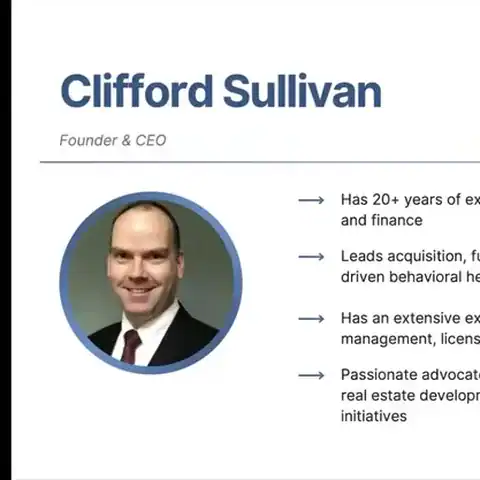 ▶
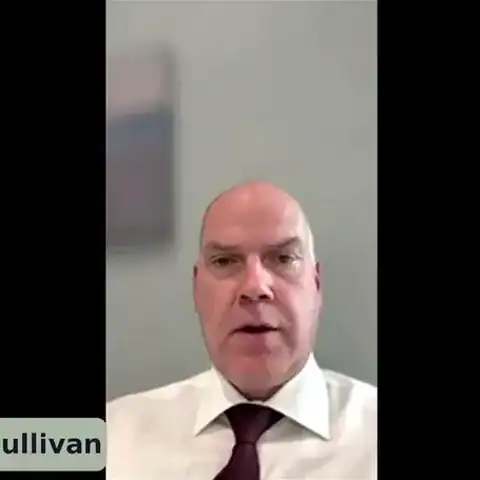
Cornerstone Behavioral Health with Clifford Sullivan
How distressed commercial properties are being transformed into behavioral health facilities for an underserved market, and the plan to expand the platform across the United States.
See offering webinars →Why Medical Real Estate?
Our primer on medical office buildings, long-term healthcare leases, and how triple net leases work, written with physician investors in mind.
Read the article →Healthcare real estate investing: common questions
What is behavioral health real estate?
It is the property used to deliver mental and behavioral health care, such as residential treatment centers. An investor owns the building, and a licensed care operator leases it and runs the program.
What does Cornerstone Behavioral Health do?
Cornerstone buys empty buildings, like old hospitals and schools, fixes them up, and leases them long term to licensed care operators that run treatment centers for children, many of whom come from the foster care system. It has identified initial facilities in Fulton, MO and Vancouver, WA, and two centers are already open.
What is a triple net lease?
Under a triple net (NNN) lease, the tenant pays the property costs, typically property taxes, insurance and maintenance, in addition to rent. Cornerstone’s leases with its operators are 25-year triple net leases with planned yearly rent increases.
What is the minimum investment?
$150,000 through the Timberview Capital Network. Investing directly with the sponsor requires $250,000.
Is there a lock-up period?
Yes. There is a six-month minimum lock-up. Private placements are illiquid, so plan on this money staying invested. The offering documents describe the details.
Who is the sponsor?
Cornerstone Real Estate Holdings. Direct investors invest with Cornerstone Real Estate Holdings; members of the Timberview Capital Network access the offering through Timberview.
Who can invest?
Offers are made only to verified accredited investors pursuant to Rule 506(c) of Regulation D, through a private placement memorandum and related offering documents. An individual can generally qualify as an accredited investor with income exceeding $200,000 (or joint income with a spouse of at least $300,000) in each of the last two years with the expectation of the same this year, or a net worth exceeding $1 million excluding the primary residence, or by holding in good standing a Series 7, 65 or 82 license. For more information, see this bulletin from the SEC.
Has Timberview invested in healthcare real estate before?
Yes. Our Historical Portfolio lists past investments, including dental, medical and veterinary practice properties. For background on the property type, see Why Medical Real Estate.
Ready to Review the Opportunity?
Explore Cornerstone Behavioral Health, review the investment details, and access the offering documents.
See Portal Documents New to Timberview Capital? Apply to Join the Network. Membership is by application.